
How to Trust God When Life Feels Out of Control
Some seasons of life feel like standing on a sturdy bridge.
The structure beneath us feels secure. We know where we are, where we are going, and how we will get there. Life feels predictable, peaceful, and under control.
Other seasons feel more like being caught in a river.
The current is constantly moving. We do not know how deep the water is, what is waiting around the next turn, or whether the calm water will suddenly become dangerous. These seasons leave us asking questions we cannot easily answer: Where is this going? What happens next? Is God still with me?
Psalm 27 speaks directly into both experiences.
David begins with a confident declaration:
“The Lord is my light and my salvation; whom shall I fear? The Lord is the stronghold of my life.”
David is not speaking from a life untouched by suffering. He knows what it feels like to face enemies, rejection, instability, and fear. His confidence is not built upon comfortable circumstances. It is built upon the character and presence of God.
What You Fear, You Follow
Fear has a way of controlling our focus.
When we fear losing financial security, we obsess over money. When we fear the opinions of others, we organize our lives around gaining their approval. When we fear political or cultural instability, we begin looking to human leaders to provide the security only God can give.
What we fear often becomes what we follow.
David redirects his attention toward the Lord. God is his light in the darkness, his salvation when he cannot rescue himself, and his stronghold when everything around him feels exposed.
The answer to fear is not pretending the threat is unreal. The answer is recognizing that the threat is not greater than the God who is with us.
Intimacy Is Our Artillery
After describing the enemies surrounding him, David makes an important shift:
“One thing have I asked of the Lord, that will I seek after.”
David does not ask first for the removal of every enemy. His greatest desire is to dwell in the presence of God, gaze upon His beauty, and inquire in His temple.
The world offers countless things to chase, fix, manage, and fear. David chooses one thing: intimacy with God.
This intimacy becomes his protection. As he draws near to the Lord, his head is lifted above the enemies surrounding him. His circumstances may not have changed, but his perspective has.
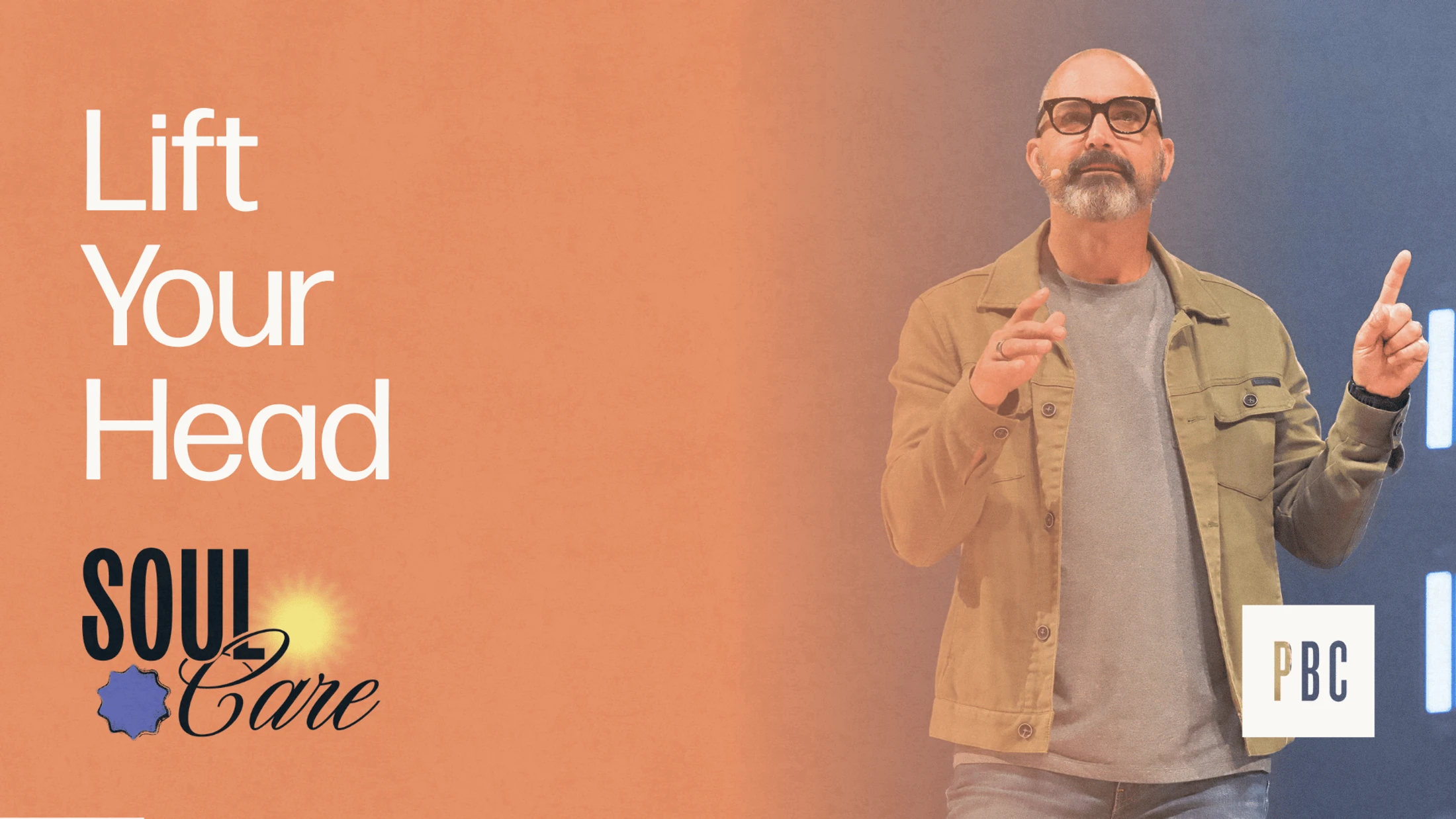
Fear and shame cause us to lower our heads. Hope allows us to lift them again.
When we know that God is our light, salvation, and stronghold, we can face what is in front of us with our heads lifted—not because we are strong enough, but because He is holding us.
God Is Not Offended by Your Humanity
Psalm 27 contains a sudden change in tone.
David moves from confident declarations to crying out, “Hear, O Lord, when I cry aloud; be gracious to me and answer me!”
This change feels surprisingly human. One moment, David appears confident and secure. The next, he is asking whether God hears him.
Many of us experience the same thing. We feel spiritually strong until something suddenly takes our legs out from underneath us. Then the questions return.
God is not offended by those questions.
Biblical faith does not require us to pretend that suffering does not hurt. David petitions God. He asks God not to hide, turn away, or abandon him. He asks God to teach him, lead him, and protect him.
Petitions are not necessarily demands. They are desires expressed within a relationship.
God invites us to bring Him our fears, frustrations, disappointments, and unanswered questions. Deep intimacy grows when we are willing to be honest with Him.
Wait for the Lord
David concludes the psalm with a command:
“Wait for the Lord; be strong, and let your heart take courage; wait for the Lord!”
Waiting is relational. It is an act of humility that says, “Your way, not mine. Your timing, not mine.”
Waiting does not mean becoming passive or pretending the pain is insignificant. It means refusing to run ahead of God in an attempt to control what only He can control.
Our strength begins when we admit our weakness. We cannot rescue ourselves, understand everything, or manage every outcome. But God has not left us alone. He has given us Himself.
Whether today feels like a bridge or a river, the invitation remains the same.
Seek His face. Bring Him your questions. Remember His goodness. Lift your head. Wait for the Lord.
He is present in both.